 Sports · Asia Post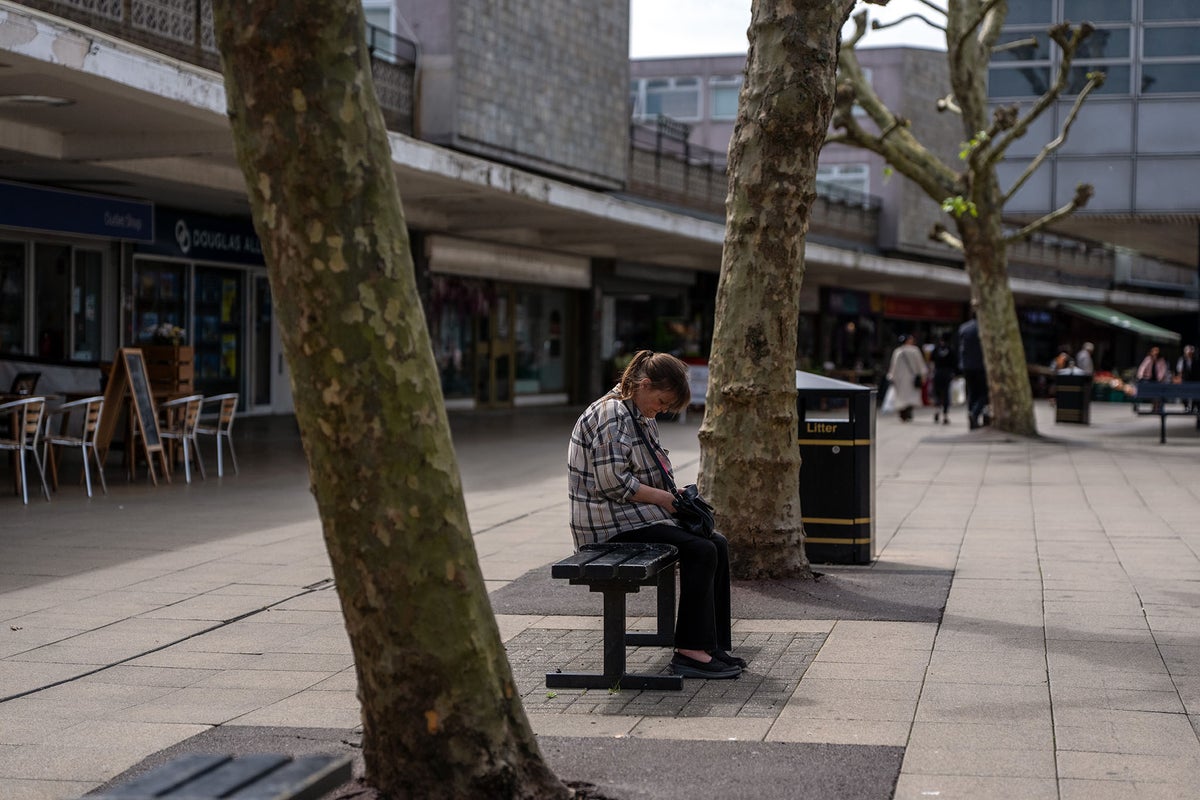
W hen Andy Burnham takes to the stage at the Labour Party Conference , he will have a rare chance to set out his vision for what he wants his government to do. But he must also give people a bigger and more inspiring sense of the country he wants us to build together. As a former mayor, Burnham knows that any serious vision for the future has to begin with people, communities and the places where we live and work.
And that means cities . By 2050, around 70 per cent of the world's population will live in urban areas. And it’s in our towns and cities that we will confront all of the defining challenges of the coming decades: climate change , housing, infrastructure, the future of work, migration, belonging and purpose.
However, for generations we have failed to build places worthy of the people who live in them. We all know how it feels to walk through the “new bit” of town – how, as we walk through too many of our towns and cities, we are surrounded by characterless buildings: flat, straight, shiny and disposable. Across our country, we have created an epidemic of inhuman buildings and we should not be surprised by the consequences.
In Britain, the average commercial building lasts only 40 years. It’s crazy to think that if I was a commercial building, I would have been demolished 16 years ago. That is an extraordinary waste of materials, energy and money at a time when the construction industry already accounts for around 38 per cent of global carbon emissions.
And I believe that this is, in part, because humans do not keep buildings we do not love. How many of us are sad when an office block or shopping centre is knocked down and replaced by something else? Designer Thomas Heatherwick: “We all know how it feels to walk through the ‘new bit’ of town, surrounded by characterless buildings: flat, straight, shiny and disposable‘ (Getty) We should not be surprised that our town centres have become hollowed out if all we offer people are places that give them no reason to stay.
Nor should we be surprised if our physical surroundings affect our mental and physical wellbeing. As we live through what many people describe as an epidemic of loneliness, shouldn’t we consider creating the physical places that allow people to build communities to which they want to belong? New scientific evidence is showing that the buildings around us really do influence our stress, attention, mood, behaviour and sense of belonging.
This is why I hope the prime minister and his government will grasp the rare opportunity their housing and regeneration agenda presents to build the places that Britain needs in a way that people will value for generations to come. That they will make human-centred design part of our national mission. Not as an architectural luxury, but as a fundamental part of how we build a healthier, more sustainable and more prosperous country.
I’ve spent my career trying to show what that can mean in practice. The Maggie's Cancer Centre in Leeds , for example, was designed around the people who would use it. Light, plants, curves and space create an environment intended to nurture and restore people facing the hardest fight of their lives.
At Coal Drops Yard in London , we showed how regeneration can bring two historic industrial buildings back to life around a new social heart, opening a once-closed part of King’s Cross to the public; and at Olympia , we’ve taken that idea further, opening up a previously inward-looking site and giving new streets, squares and gardens back to the city for anyone to enjoy. That same principle can shape our homes, our high streets, our hospitals, our schools, our transport infrastructure and our workplaces. But there is an even bigger opportunity.
Heatherwick Studio’s design concepts for the national memorial to Elizabeth II showing a lily pad canopy above a statue of the Queen in St James’s Park, London (Heatherwick Studio and Malcolm Reading Consultants/PA) Next year, Britain will host the G20 , with the leaders' summit coming to Manchester. It gives us a chance not simply to talk about the world's problems, but to show what a different future could look like. Climate change, migration, infrastructure, work, belonging are not separate challenges.
They are all part of the same question about how we build and organise the places in which billions of people will live. Britain has extraordinary expertise in architecture, engineering, design and construction. My work is just one of many examples of British creative and technical expertise being exported around the world.
We are part of the success story of British growth and economic success at home and abroad. North London’s trendy Coal Drops Yard quarter, designed by Thomas Heatherwick: “We needthe ambition to put people back at the centre of how we build” (Kings Cross) If we make human-centred development part of the UK's offer to the world, we will also be investing in our future economic growth and health. And we should be using the G20 to argue that the future of our cities should not simply be bigger, denser and more efficient, but more human.
We know the challenges we face, but also possess the skills and imagination to meet them. What we need now is the ambition to put people back at the centre of how we build. As the prime minister stands in Liverpool, I hope that he will challenge Britain to do more than build the future.
I hope he will challenge us all to build a future in which we all want to belong. Thomas Heatherwick is the founder of Heatherwick Studio , and the architect behind the New Routemaster bus and Google's 'landscraper' HQ at King's Cross
Source: The Independent